
Japan is famous for its hot springs (onsen) and traditional inns (ryokan). Visiting these places is a unique and relaxing experience, but it can be confusing for first-time visitors. Here’s a guide to the most common questions.
1. Do I need to wash before entering an onsen?
Yes! In Japan, there is a traditional custom called kakeyu, where you rinse your body with hot water before entering the onsen. This removes surface dirt and gradually warms your body to prevent sudden heat shock from the hot bath. Especially after a long day of sightseeing, it’s best to sit on the provided stools, wash thoroughly with soap, and rinse well with the shower.
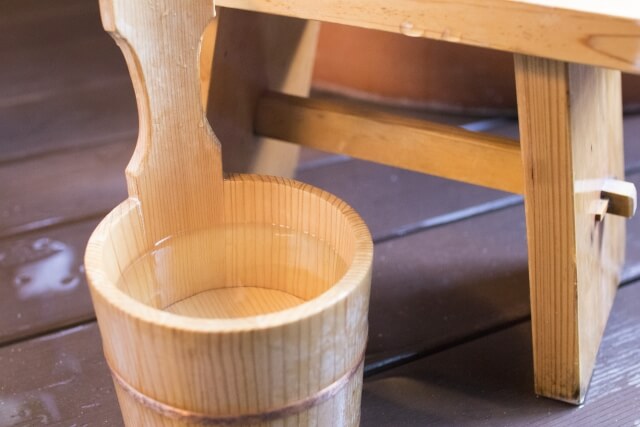
A small stool and hand bucket are used for washing and rinsing before entering the onsen bath.
2. Can I bring a towel into the onsen?
Towels are mainly used for washing your body and for drying off before returning to the changing room. In ryokan, check the towels provided in your room, because you may need to bring towels with you to the bath. Leave your bath towel in the changing room—only bring a small towel into the onsen. Never put towels in the onsen water. If you have long hair, tie it up or secure it so it doesn’t touch the water. Many ryokan provide hair ties or bands in the room or changing area, so you usually don’t need to bring your own. Some people briefly use a small towel to cover themselves while moving around the bath area, but its main purpose is for washing and drying.

In the changing room, place your clothes in a basket. Photography inside bath and changing areas is strictly prohibited.
3. Do people wear swimsuits in onsen?
No. Onsen bathing is traditionally done nude. Be sure to undress completely in the changing room before entering the bath. Most onsens have separate areas for men and women. Some ryokan may provide towels if the onsen is mixed-gender (konyoku), while at natural outdoor mixed baths, men and women may bathe together without any clothing at all.
Note: Taking photos inside the public bath or changing area is strictly prohibited in Japan. Any images in this article are either official photos provided by the ryokan or illustrative.
4. Is it okay to talk to others in the onsen?
Onsens are meant for relaxation, so keep your voice low and avoid splashing. Interestingly, while Japanese people generally don’t talk to strangers in public, they often do in the calm, relaxed setting of an onsen. It’s part of the experience—you may hear quiet conversation, but it’s never loud or disruptive. Feel free to enjoy it politely if someone talks to you.
5. Are tattoos allowed in onsen?
Some onsens ban visible tattoos due to traditional associations with gangs. However, many places allow small tattoos if they are covered with a patch or bandage. Also, if you use a private or reserved bath, tattoos are generally not an issue at all. Check ahead if you have tattoos to be sure.
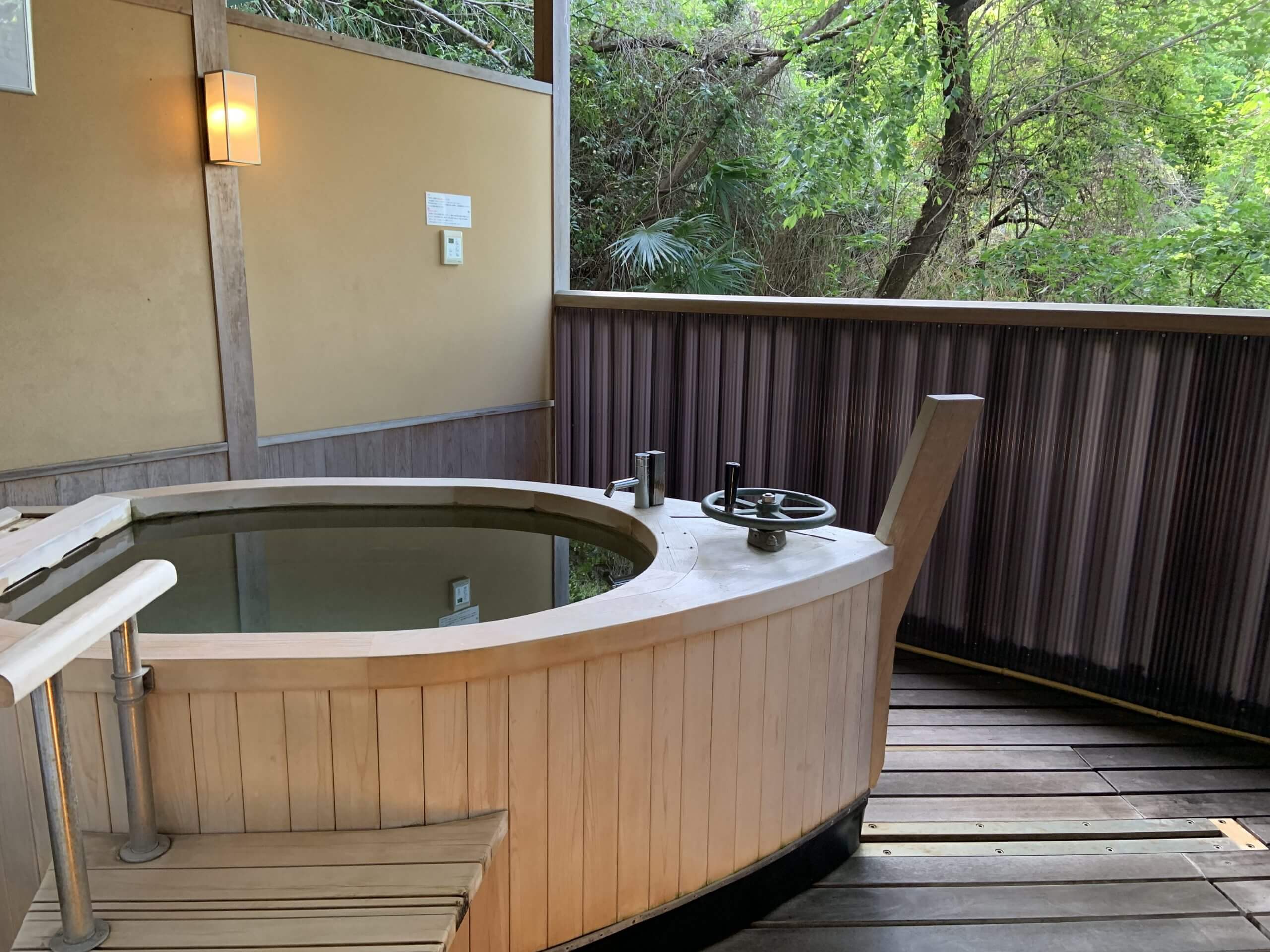
Private or reservable onsen baths are ideal for families, couples, or guests with tattoos.
6. How should I use slippers and yukata in a ryokan?
Slippers: Always remove your shoes at the entrance. Slippers are provided for indoor use, but avoid wearing them in tatami rooms. Also, try not to drag suitcases across tatami floors.
Yukata robes: Most ryokan provide a yukata, which is a casual type of kimono made of light cotton, for adults and children. You can wear these inside your room, to the large public bath, and even for meals in the ryokan’s banquet hall. For other areas, like a bar or lounge, it’s best to check with the ryokan if wearing a yukata is allowed.
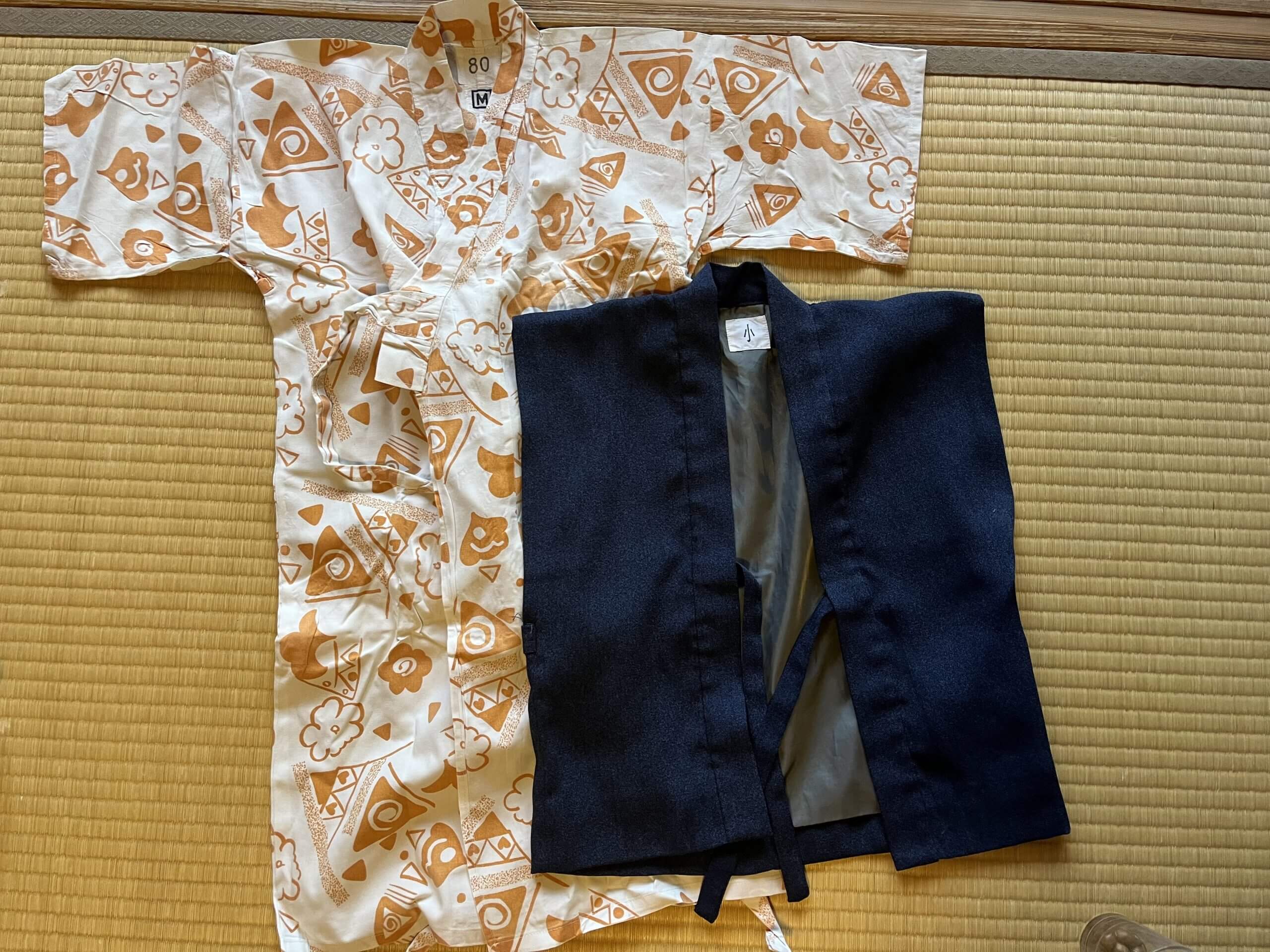
Many ryokan provide yukata for children as well, making them a comfortable choice for family stays.
7. Where and how are meals served in a ryokan?
At ryokan, meals are served either in your room or in a communal dining area. Some ryokan offer kaiseki-style (multi-course) meals, while others may have buffet-style dining. If possible, trying a kaiseki meal is highly recommended for the full experience.
Some dishes may seem unusual or different from what you’re used to. If they include local ingredients or seasonal specialties, it’s worth trying them even if they seem strange.
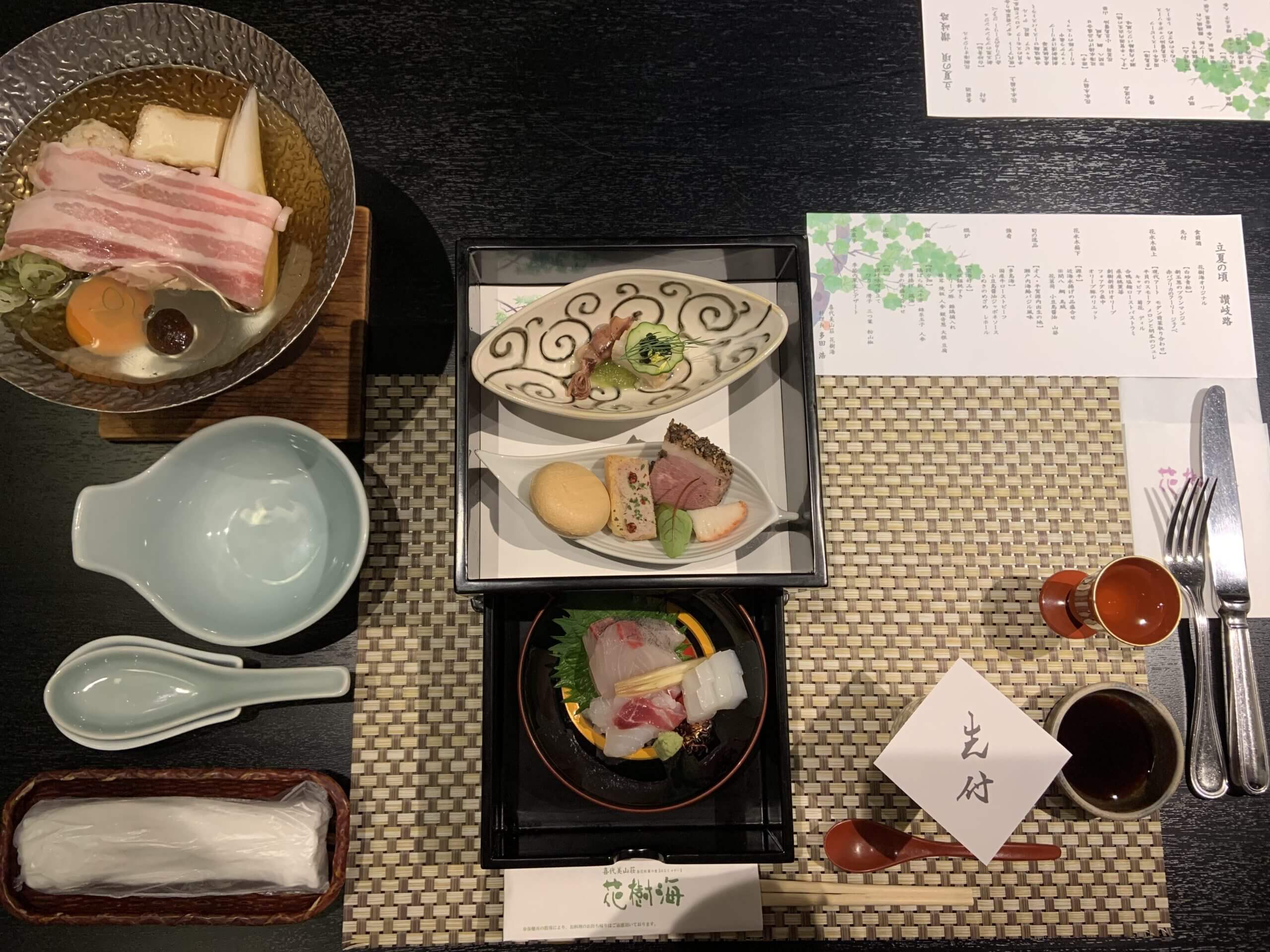
Ryokan meals often highlight local and seasonal ingredients, served either in your room or a dining area. These are just some appetizers and more and more dishes come later.
8. How should I handle chopsticks and table manners?
If there are Japanese people around, observe how they use chopsticks and follow their example. Common practices include:
Don’t point with chopsticks.
Avoid sticking them upright in a bowl of rice.
Passing food directly from chopsticks to chopsticks is also considered bad manners.Don’t point with chopsticks
Conclusion / Final Tips
Visiting a Japanese onsen and staying at a ryokan is more than just bathing and sleeping—it’s a chance to experience Japanese culture and hospitality firsthand. By following these simple etiquette tips, you can relax, enjoy the unique atmosphere, and feel comfortable in any ryokan or onsen setting. Remember, the key is to be considerate of others while also appreciating the special, peaceful experience that Japanese hot springs offer.

tokie
最新記事 by tokie (全て見る)
- Onsen & Ryokan Etiquette in Japan: FAQs - 29/01/2026
- A 1-Night Family Trip Itinerary to Arima Onsen - 23/01/2026
- Kintsugi: How I Turned a Broken Tea Bowl into a Beautiful Work of Art - 15/01/2026