
Short answer: Yes — English works in Japan.
Yes — English actually works in Japan more than most people expect.
But it doesn’t always work in the way people imagine.
You usually won’t have smooth, fluent conversations everywhere.
At the same time, you also won’t be completely stuck just because you don’t speak Japanese.
The reality is somewhere in between — and once you’ve experienced it on the ground, it becomes much easier to understand.
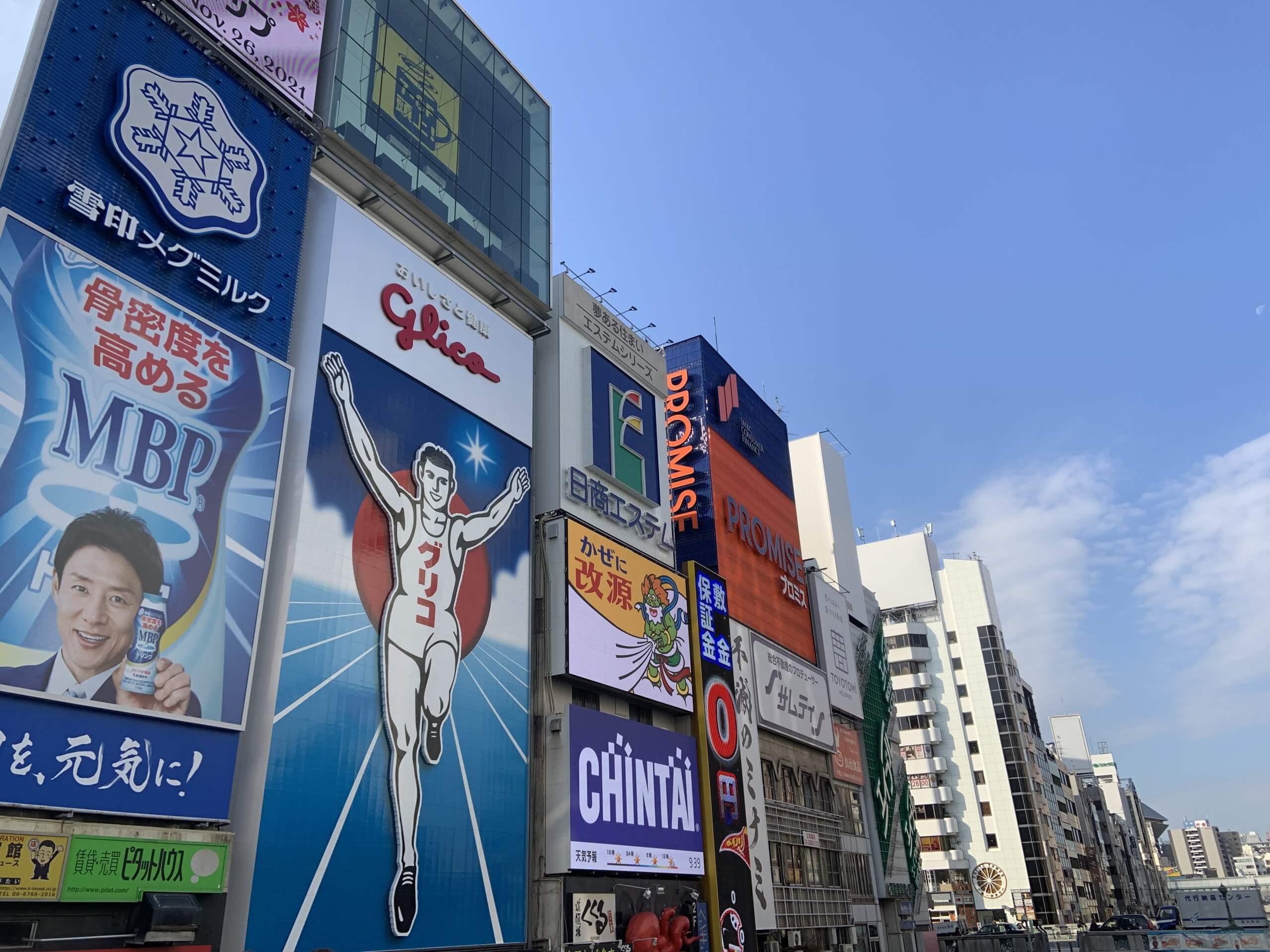
The iconic Glico sign in Dotonbori, one of Osaka’s most popular tourist areas where English support is widely available.
The truth behind “Japanese people don’t speak English”
If you ask someone in Japan, “Do you speak English?”, many will immediately say:
“No.”
But that answer can be misleading.
In practice:
- Many people can understand simple English
- Reading English is more common than speaking
- Basic communication is often possible
The real issue is not ability.
It’s confidence.

English education in Japan focuses heavily on studying grammar and vocabulary, often within classroom settings.
Why English feels rare in daily life in Japan
There is another important reason people often overlook.
In Japan, there are very few situations where people need to speak English in everyday life.
TV and radio are almost entirely in Japanese.
And in daily public life, English is not something people naturally use.
Most people simply don’t have situations where they actively speak English.
You don’t naturally “hear” English unless you seek it out.
Of course, there are exceptions:
- Some TV programs allow audio switching to English or other languages
- Many cinemas offer subtitled foreign films
But overall, English is something you have to intentionally choose to experience — not something you naturally encounter in daily life.
Do Japanese kids study English at school ?
Even though English education exists, it has also been changing.
When I was in school, English education usually started from junior high school.
But now, many kindergartens offer English lessons once a week or so.
As a result, younger children are often exposed to English sounds earlier, and pronunciation among kids has generally improved compared to older generations.
For example, my own 4-year-old child can already pronounce numbers and colors with relatively natural English pronunciation.
In addition, in some internationally focused junior high schools and high schools, there are also classes where students are required to hold discussions in English.
However, this is still a relatively small portion of the education system overall.
About pronunciation (a realistic perspective)
To be honest, pronunciation differences can be a bit complex, so I won’t go too deep into linguistics here.
But one important point is this:
Japanese and English have completely different language structures and sound systems.
The set of sounds used in Japanese and English is not the same.
Because of this, it’s natural that English spoken by Japanese speakers — especially adults who didn’t practice speaking from an early age — may sound different from what native English speakers expect.
At the same time, this works both ways.
English speakers trying to pronounce Japanese perfectly also often sound “imperfect” to Japanese ears.
In other words, it’s not about who is better — it’s just a difference in language systems.
And once you understand that, it becomes easier to see pronunciation as a communication tool, not a judgment.
What actually happens when you travel in Japan
Here’s what you’ll experience in real situations.
Asking for directions
In many cases, this goes better than expected.
However, it’s important to understand one cultural point:
people in Japan are generally quite reserved, so they don’t usually approach you first or start offering help proactively.
But once you ask, the situation changes.
Even if someone says they don’t speak English, they often:
- Understand simple keywords and gestures
- Give short English or mixed-language answers
- Use body language to explain
- Or, in some cases, even walk you part of the way
So while people may not initiate help,
they are usually very willing to assist when you ask.
In other words, the barrier is not kindness — it’s simply “first contact.”
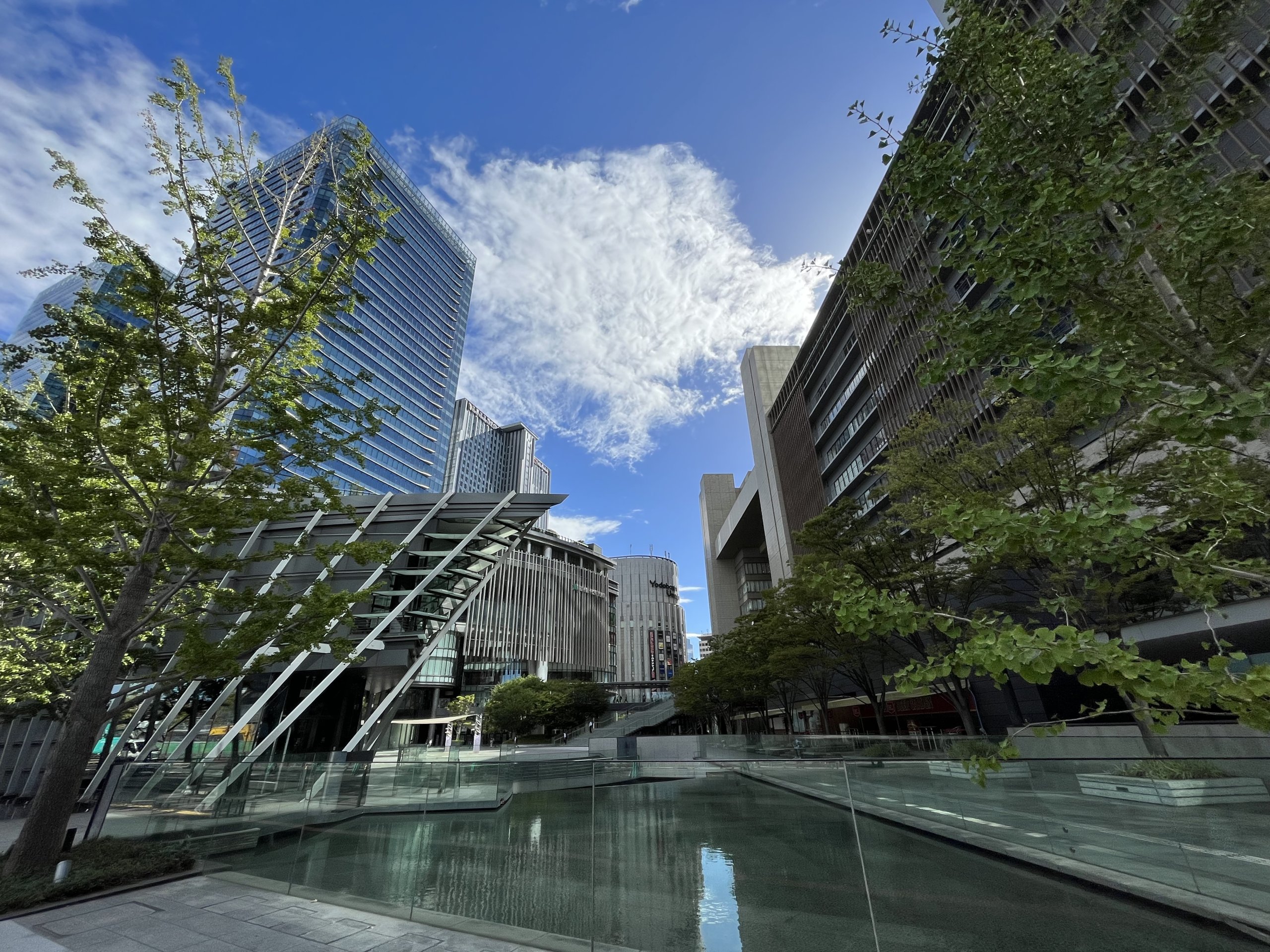
Large stations like Osaka Station can feel a bit complex at first, so asking for directions is very common and generally well understood by staff or locals.
Restaurants and hotels
In tourist-heavy cities like Tokyo, Osaka, and Kyoto, things are generally very comfortable — especially in areas that see a lot of international visitors.
- English menus are very common
- Hotels usually have at least one English-capable staff member
- Some places also use translation devices
- International staff is increasingly common
In these kinds of areas, you will rarely struggle to order food or check in.
However, it’s more accurate to think in terms of areas within a city, rather than the city as a whole.
Even in major cities like Osaka or Tokyo, if you go to restaurants mainly frequented by locals, it’s not unusual to find menus available only in Japanese.
On the other hand, in clearly tourist-oriented districts — for example:
- Dotonbori or major commercial complexes around Osaka Station in Osaka
- Gion, Kawaramachi, or Kyoto Station in Kyoto
you can generally expect English menus and smoother communication.
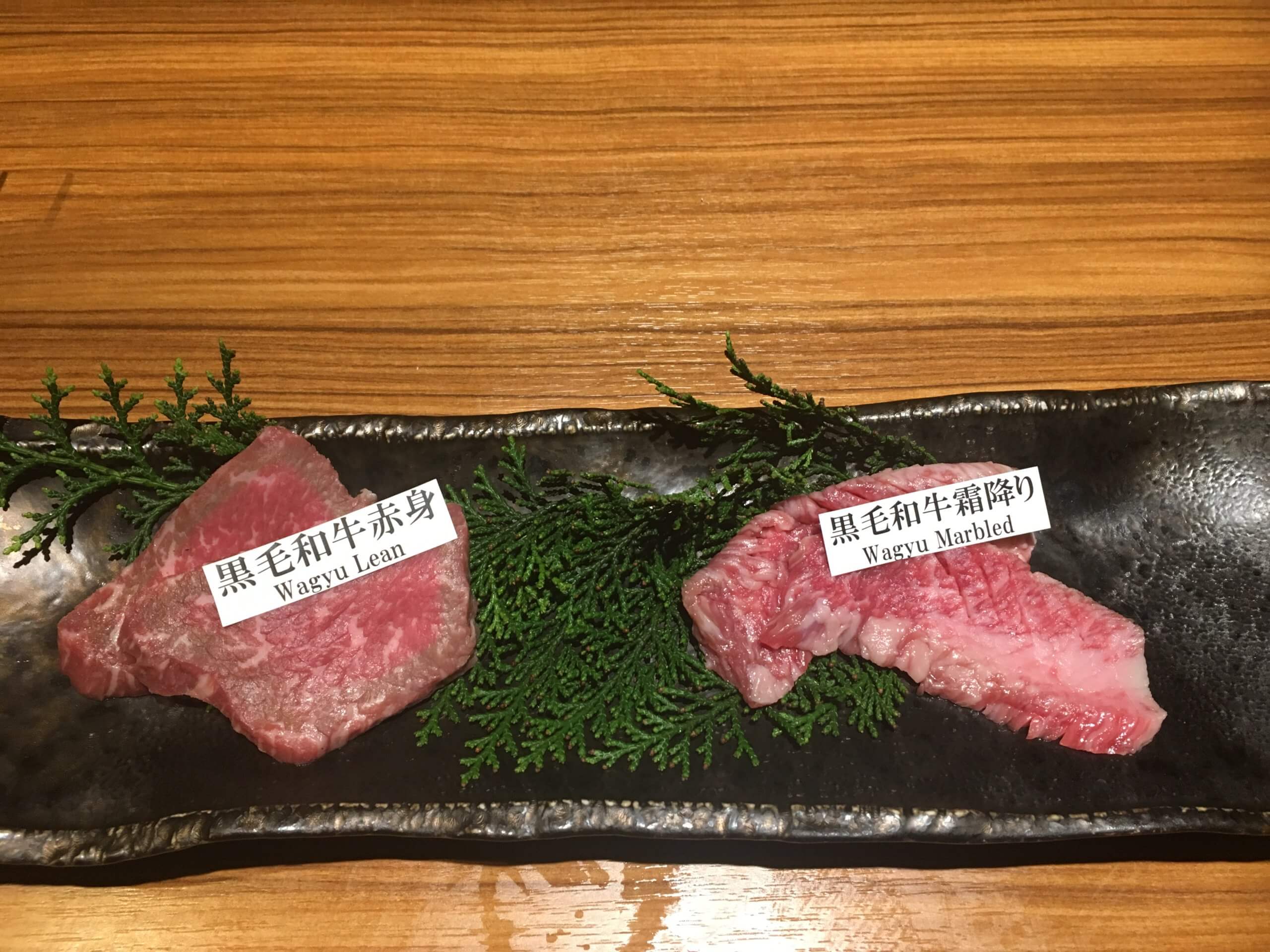
In some yakiniku restaurants, each cut of beef is served with both English and Japanese labels, making it easier for everybody to understand what they are eating.
So overall, English works very well in tourist-focused zones,
but becomes less consistent as you move into more local neighborhoods.
That said, even within the same area, the situation can change quickly. For example, in Namba, places right around Dotonbori are very tourist-friendly, but once you move into more local spots like the backstreets (often called “Ura-Namba”), English support becomes much less consistent.
If you want to stay on the safe side, a simple tip is to choose places that display English menus at the entrance.
On the other hand, if you’re feeling a bit more adventurous, stepping into restaurants with Japanese-only menus can also be a fun experience — sometimes leading to more local and memorable interactions.
A more chaotic but real experience: Local izakaya
If you go into a local izakaya (a casual Japanese pub), things may get interesting.
You might experience:
- Locals trying to talk to you after a few drinks
- Mixed English–Japanese conversations
- People becoming more open, friendly, and expressive than usual
In Japan, alcohol often lowers social barriers, and people can become noticeably more talkative compared to daytime situations.
The English might not be perfect — sometimes not even close —
but the interaction is often memorable.
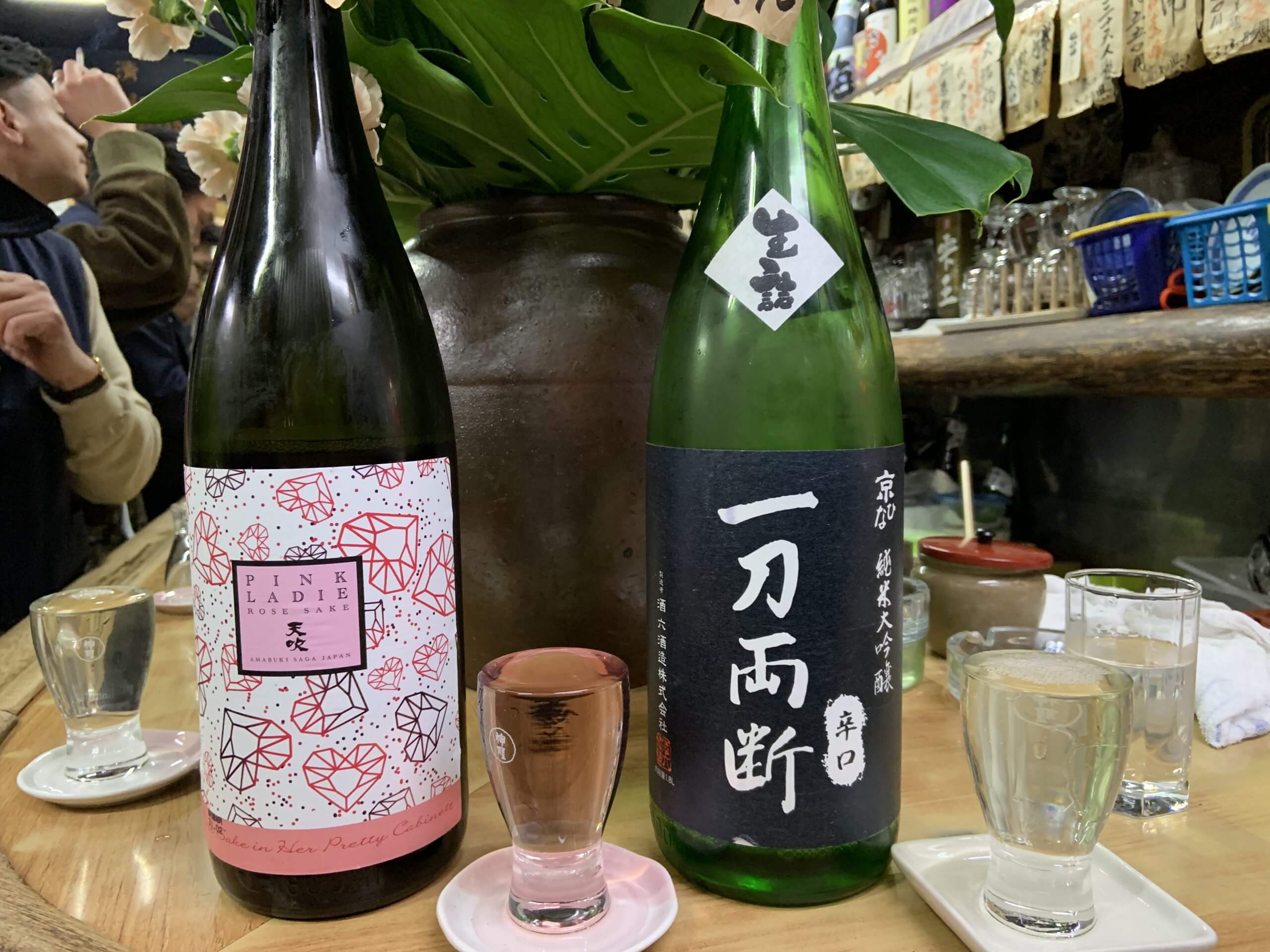
In local izakaya, conversations often become more relaxed and open, especially after a few drinks.
Stations and transportation
Train and Shinkansen announcements also typically include English, which makes traveling between cities very manageable even without Japanese.
However, it’s worth noting one limitation:
while standard announcements (such as next stop information or transfer guidance) are usually available in English, more irregular updates — like delays, disruptions, or emergency-related notices — are often announced in Japanese only.
In those situations, translation apps or station staff become more important.
That said, in some stations, especially major hubs, electronic departure boards and delay information screens may be also displayed in English. So even when irregular announcements are only in Japanese, probably you can still understand the situation visually.
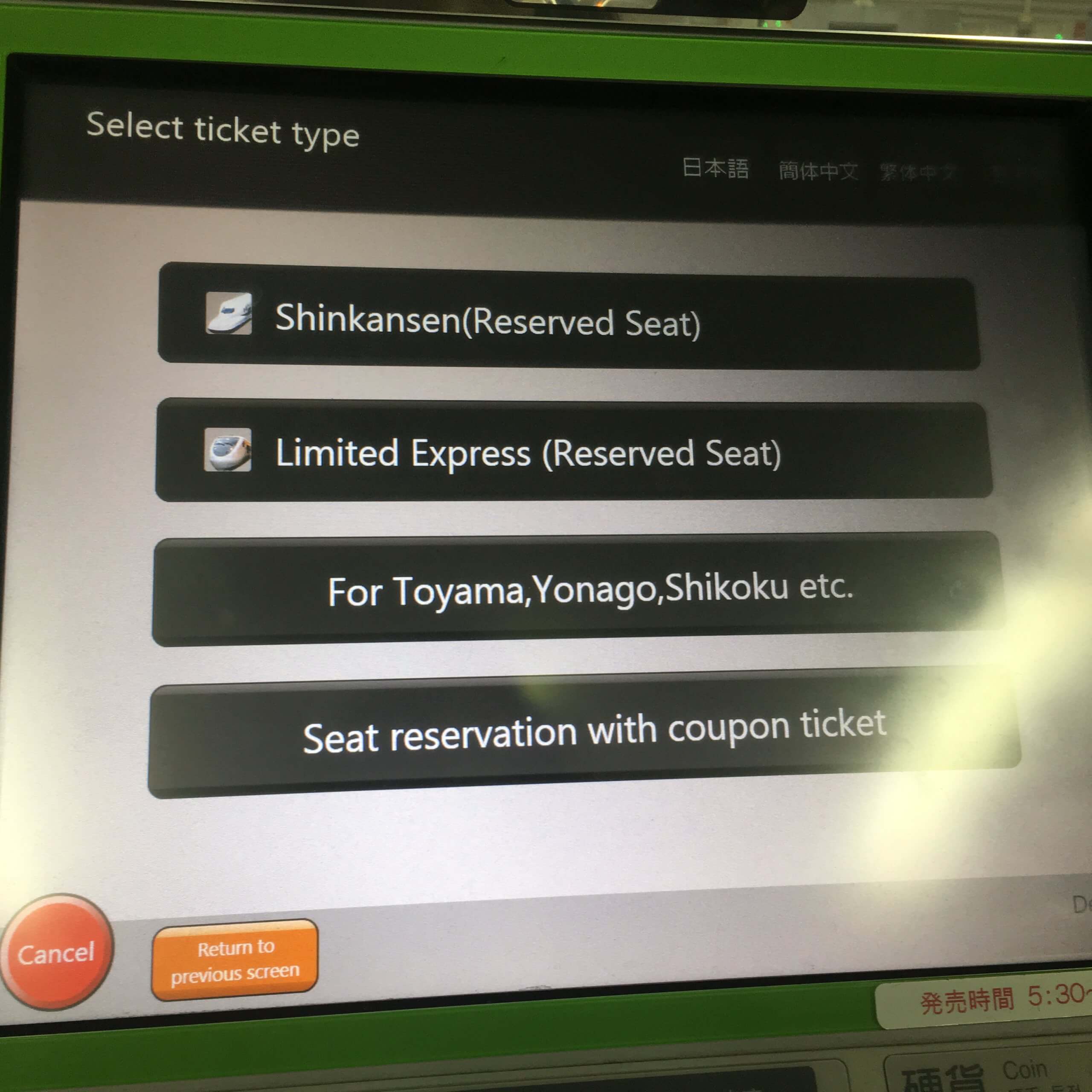
Ticket machines in major stations often support English, making it easier for travelers to purchase tickets without Japanese.
Outside major tourist zones
Outside major tourist zones, expectations should change.
English is less common, and communication can be more limited.
However, one thing remains consistent:
People in Japan are generally willing to help.
That said, it’s usually not a proactive culture.
In other words, people don’t often approach you first — you need to ask or initiate contact.
But once you do, many will try their best using Japanese, gestures, or translation apps.
In places like Osaka, the atmosphere can feel a bit different.
Compared to other regions, there is generally a stronger tendency for casual interaction, even between strangers. Locals may start talking to you quite naturally, sometimes as if it’s a full conversation — even if neither side fully understands each other.
Of course, the language barrier is still there, but the intention is almost always friendly.
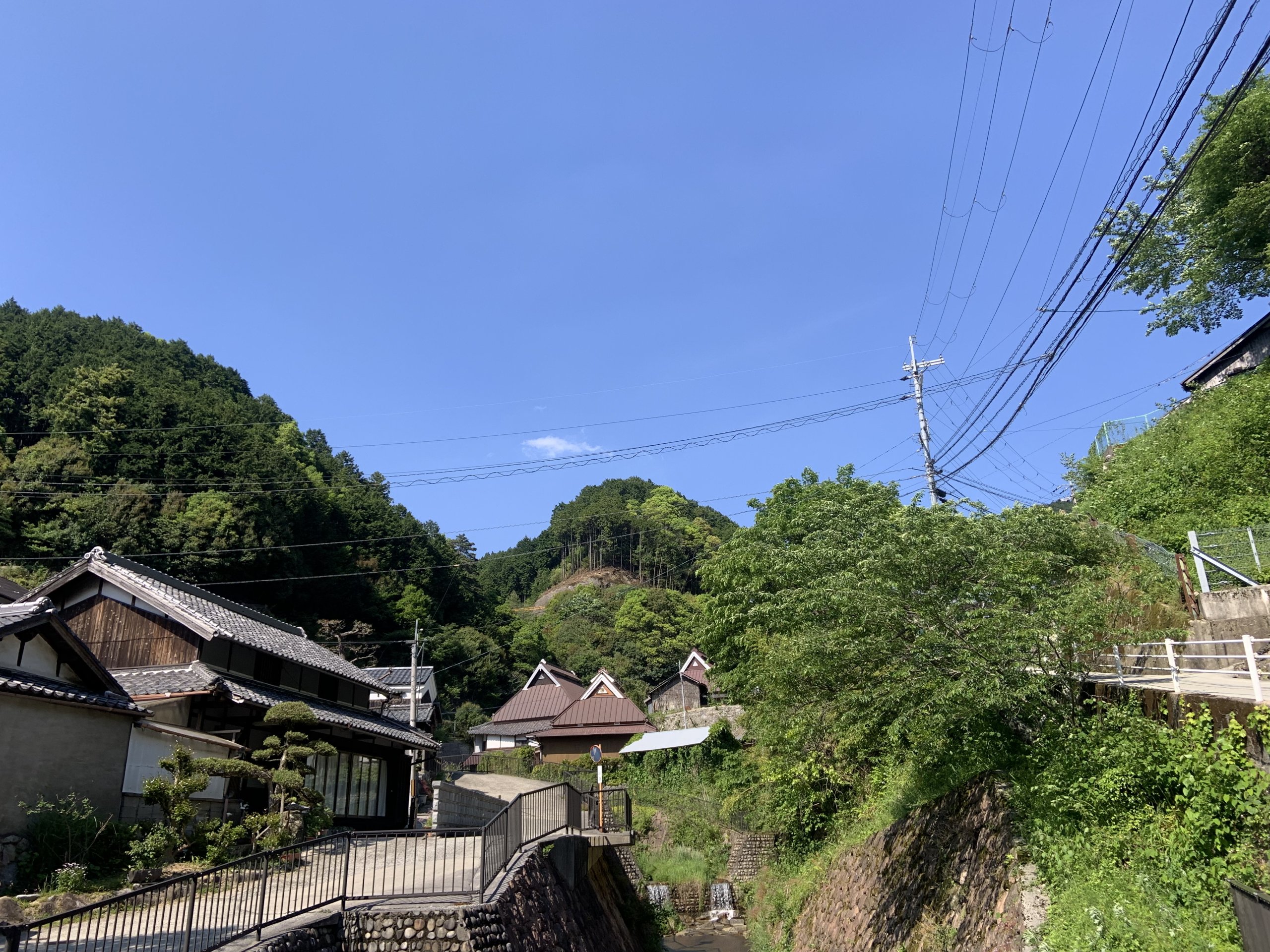
In rural areas outside major tourist zones, English is rarely used, but people are still generally helpful when approached.
So… can you travel Japan with English only?
Yes.
In most tourist situations:
- You can order food
- You can check in to hotels
- You can navigate cities
- You can ask for help when needed
You might not have deep conversations everywhere,
but you will not be “lost” because of language.

Popular shopping streets like Shinsaibashi attract many international visitors, making English support more common.
One small tip that makes a big difference
Learn just a few local phrases:
- Hello → こんにちは (Konnichiwa)
- Thank you → ありがとう (Arigatou)
- Excuse me → すみません (Sumimasen)
This alone changes how people respond to you.
It signals respect, and it lowers the barrier immediately.
In fact, in many countries I’ve traveled to, even a small effort to use local greetings has often led to noticeably warmer reactions — sometimes even genuine smiles or appreciation. And honestly, those small moments often become part of the best travel memories.
As someone who has traveled quite extensively across different countries, I’ve noticed this pattern is not unique to Japan. It’s something you see repeatedly around the world. While the details differ by culture, the underlying reaction is surprisingly consistent: people respond positively when you make an effort.
Final thoughts
Traveling in Japan with English is generally very manageable.
It may not always be perfect, but in most tourist situations, you can get by without major difficulties.
What stands out more than language ability, however, is the attitude on both sides. Communication often depends less on fluency and more on willingness to engage.
The details may vary depending on the country, but one thing tends to remain the same:
People respond to effort.
And once you notice that, travel becomes a very different experience.

tokie
最新記事 by tokie (全て見る)
- Shigaraki Pottery Village & Tanuki - 20/05/2026
- Types of Bento Boxes in Japan: How to Choose Yours - 23/04/2026
- How Much English Actually Works in Japan when traveling ? - 15/04/2026