
Okinawa is a chain of subtropical islands located in the southernmost part of Japan, stretching between Kyushu and Taiwan. While most visitors stay on Okinawa Main Island, the prefecture is home to dozens of smaller islands that can be reached by ferry or short domestic flights.
These islands offer a different side of Japan. Thanks to Okinawa’s unique history as the former Ryukyu Kingdom, visitors will find a distinct culture, local cuisine, and slower pace of life that set the region apart from mainland Japan.
From tropical beaches and coral reefs to dense jungles and remote island communities, each island has its own character and attractions.
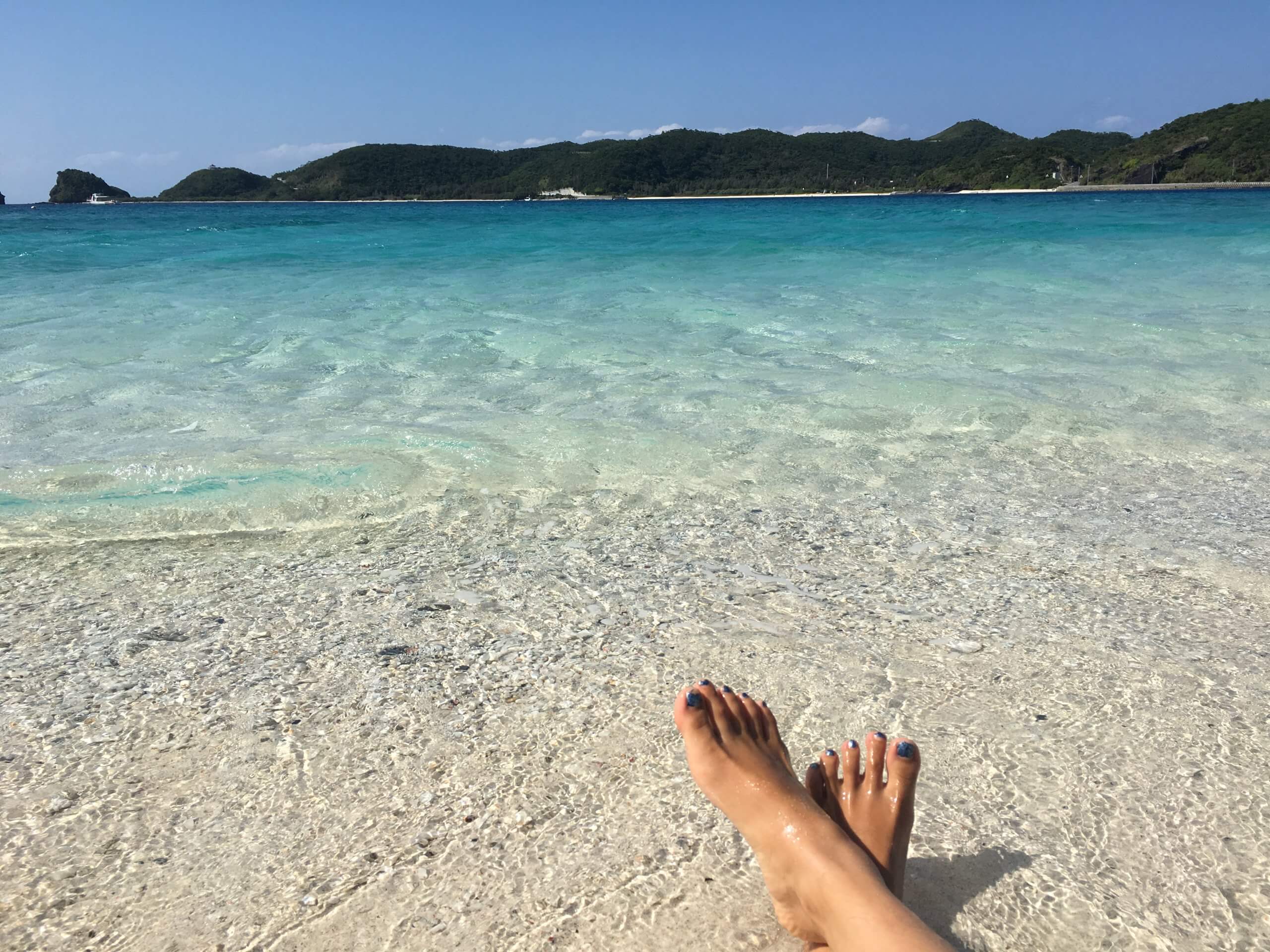
Zamami Island is known for its incredibly clear water and relaxed beach atmosphere
1. Miyako Island – Best for Beautiful Beaches and Resort Vibes
If your dream Okinawa vacation involves crystal-clear water, white sand beaches, and stunning ocean views, Miyako Island is hard to beat.
The island is famous for some of the most beautiful beaches in Japan, including Yonaha Maehama Beach, often ranked among the country’s best. Driving across Irabu Bridge with the bright blue ocean stretching in every direction is an experience in itself.
Compared to many other remote islands, Miyako feels developed and convenient while still offering incredible natural scenery. There are plenty of hotels, restaurants, and beachside resorts, making it a great choice for first-time visitors to Okinawa’s outer islands.
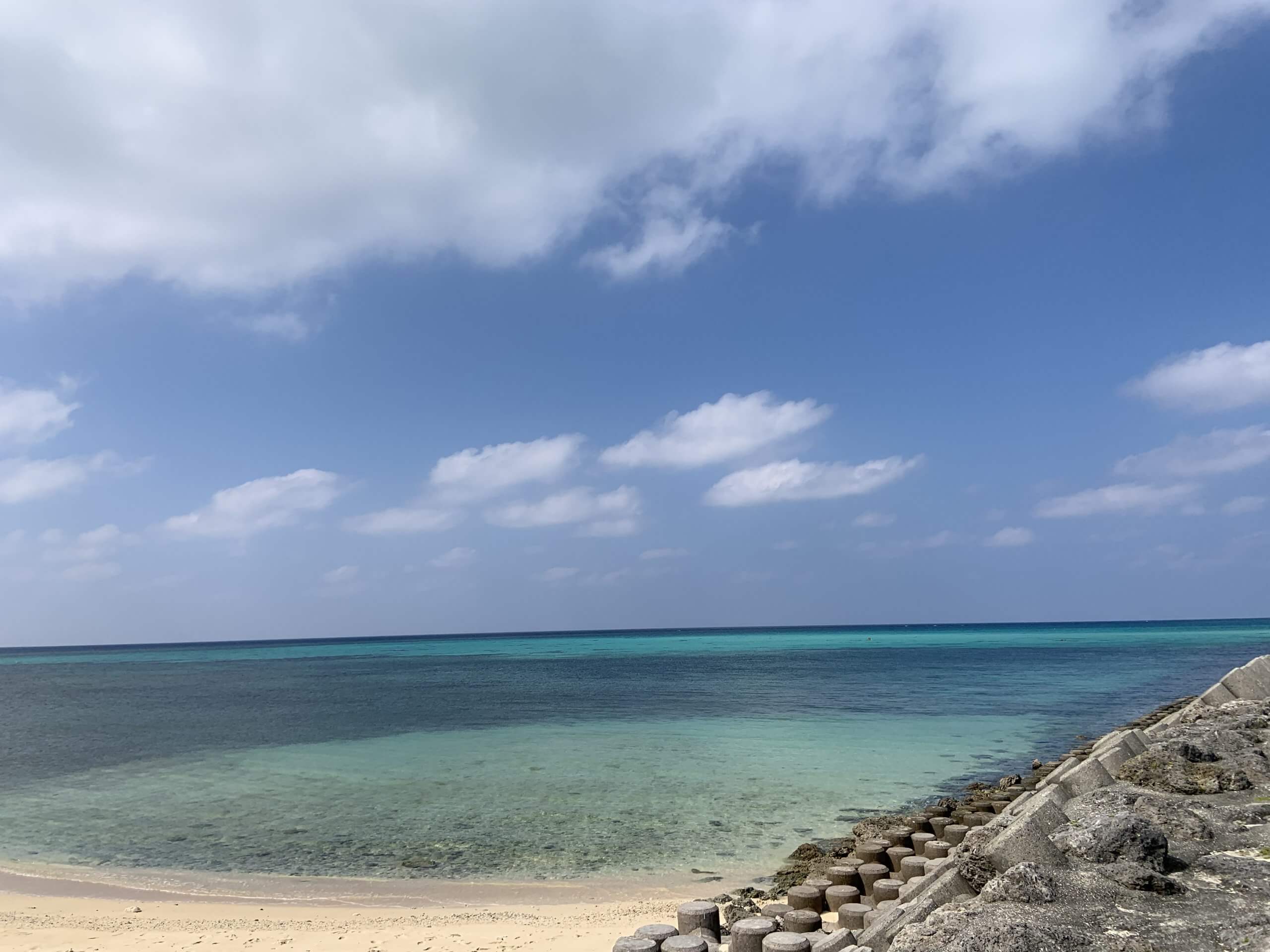
Beach in Miyako Island, known for white sand and clear turquoise water.
One thing to keep in mind is that Miyako Island is much larger than many of Okinawa’s remote islands. While there are public buses connecting major attractions, services can be infrequent, generally running only once an hour or less. If you plan to explore multiple beaches and viewpoints, renting a car is by far the most convenient option. International visitors should also check whether they need an International Driving Permit before traveling to Japan.
During my visit, I spent some time paddleboarding (SUP), which turned out to be one of the highlights of the trip. Okinawa’s official beach season typically begins in late March or early April and lasts until around October, but the climate stays relatively warm throughout much of the year. I visited in November and still found the weather comfortable enough to enjoy water activities.
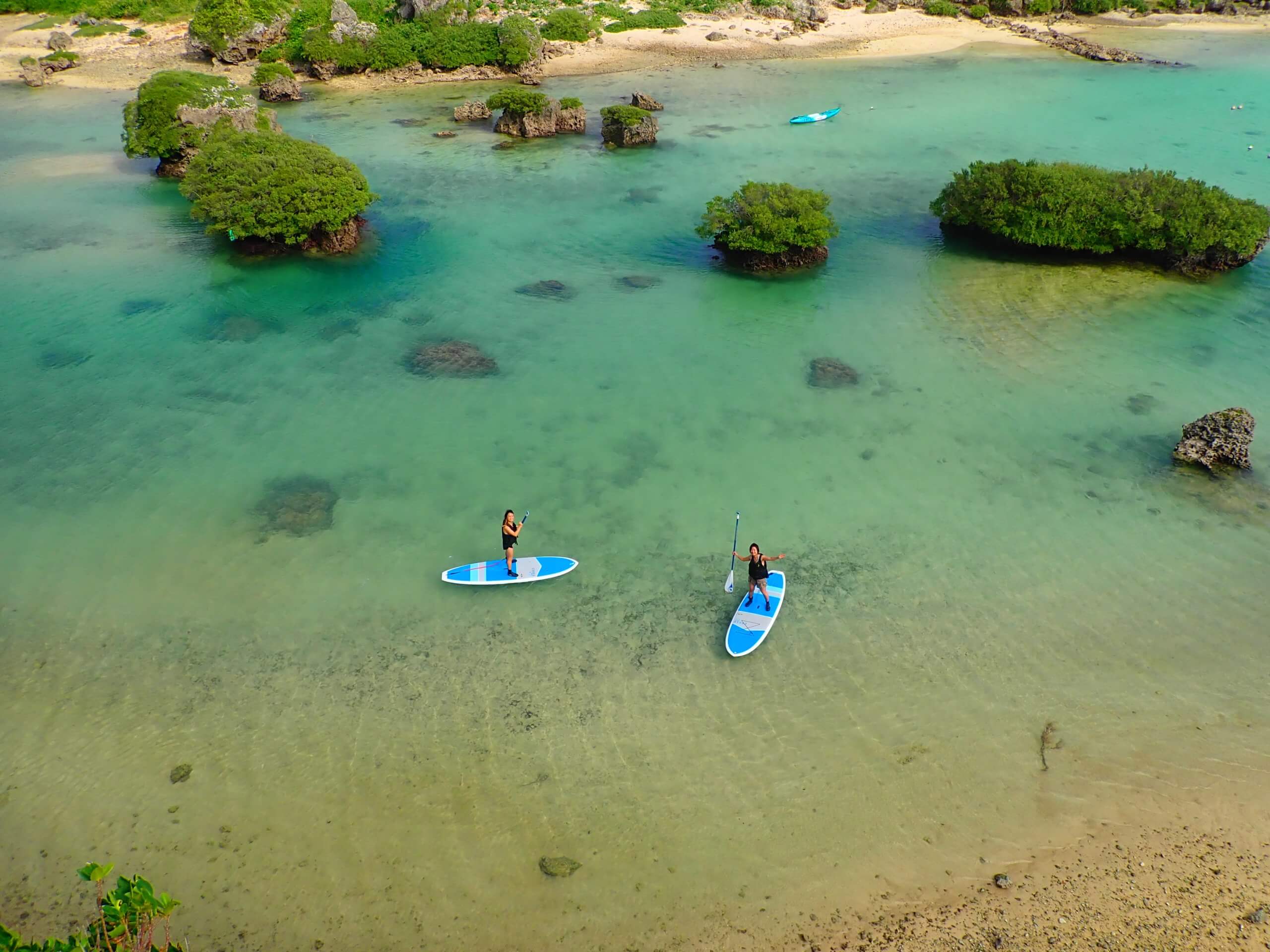
SUP is a popular activity in Miyako Island, especially in calm, crystal-clear waters.
Best for: Beaches, resorts, couples, photographers
2. Zamami Island – Best for a Day Trip from Okinawa Main Island
While Miyako Island attracts visitors looking for resort-style relaxation, Zamami offers a much quieter and slower-paced atmosphere.
Part of the Kerama Islands, Zamami is famous for its incredibly clear water and laid-back island lifestyle. Beaches such as Furuzamami Beach and Ama Beach are perfect for swimming, snorkeling, or simply doing nothing for a day.
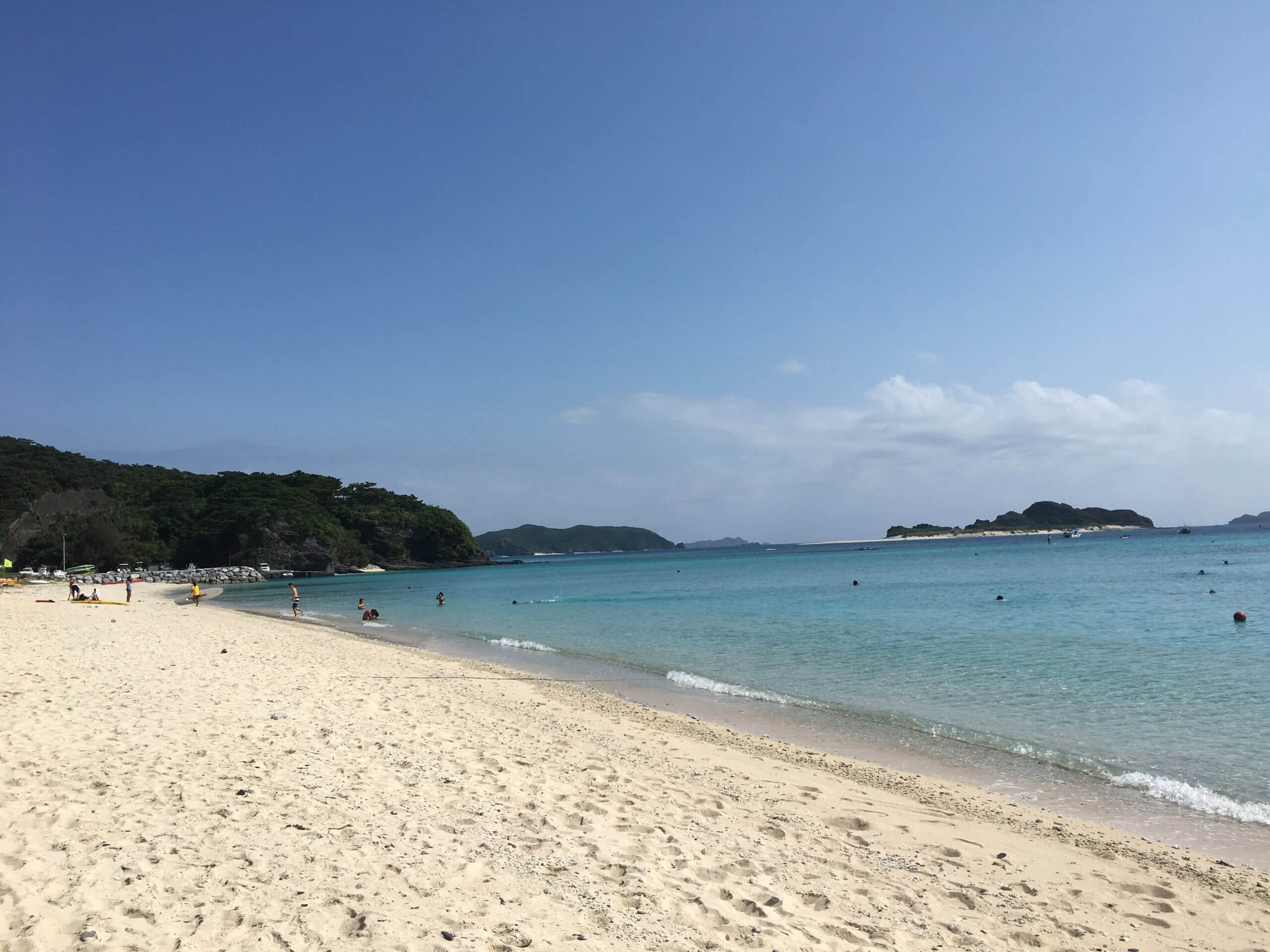
Even a simple beach walk in Zamami Island feels like stepping into a postcard.
One of Zamami’s biggest advantages is how easy it is to visit. High-speed ferries connect the island with Naha in about 50 minutes, making it possible to visit as a day trip from Okinawa Main Island.
The island itself is relatively small, and some of its best beaches are within walking distance of the ferry terminal. If you’re short on time, you can easily spend an entire day swimming, snorkeling, and relaxing without needing any transportation at all.
For travelers who want to explore further, renting an electric-assist bicycle is a great option. Zamami has more hills than many visitors expect, and the extra power makes getting around much more enjoyable.
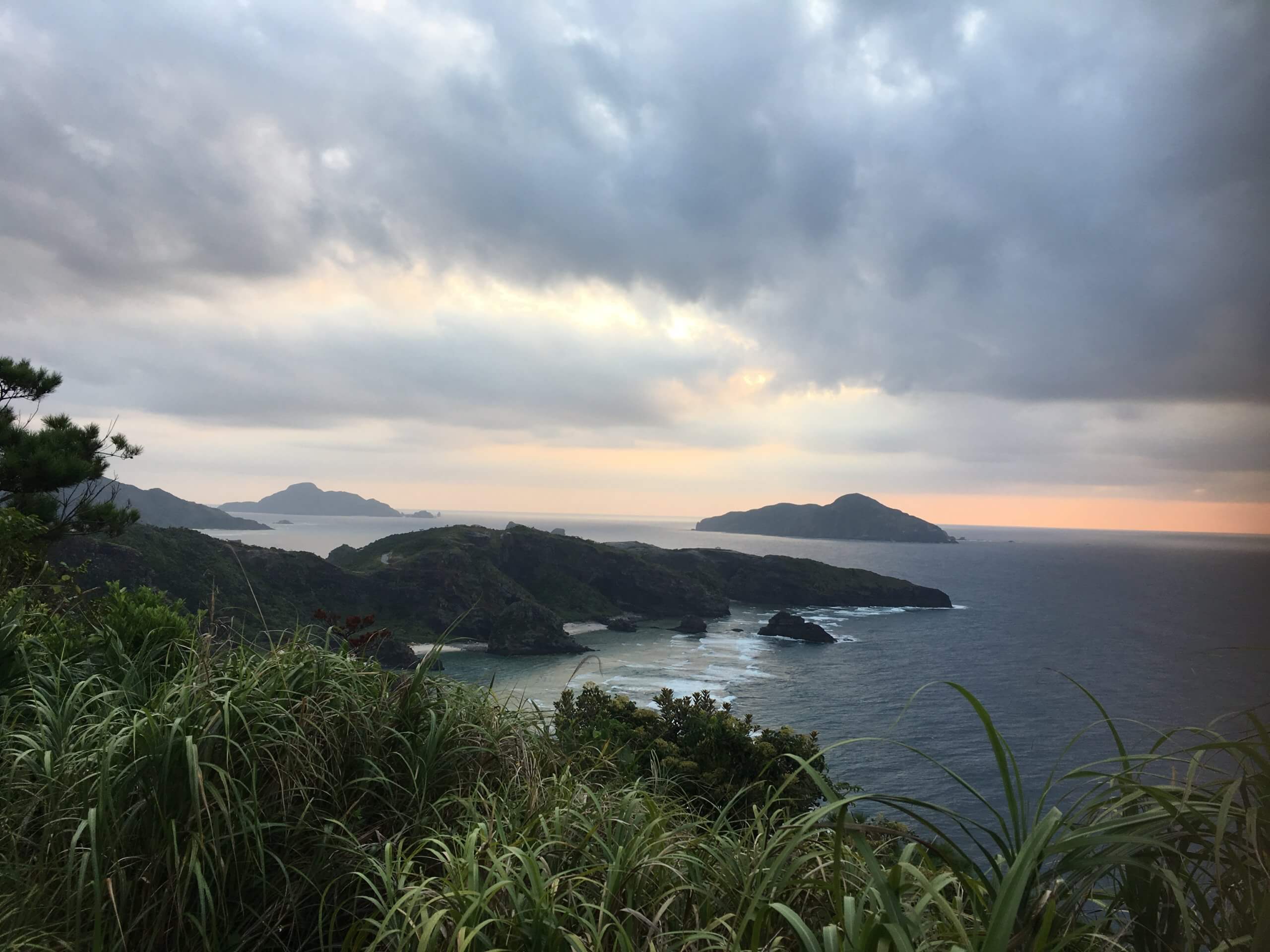
From higher viewpoints, Zamami Island reveals its rugged coastline and ocean stretching into the horizon.
I’ve visited beaches in many different parts of the world, and Zamami remains one of the most beautiful I’ve ever seen. On a sunny day, the water is almost unbelievably clear, with shades of blue that are difficult to capture in photos.
The island is also a great base for marine activities such as snorkeling, scuba diving, and stand-up paddleboarding (SUP). Around the ferry terminal area, you’ll find several guesthouses and small accommodations that also operate diving shops, making it easy to arrange tours and equipment rentals.
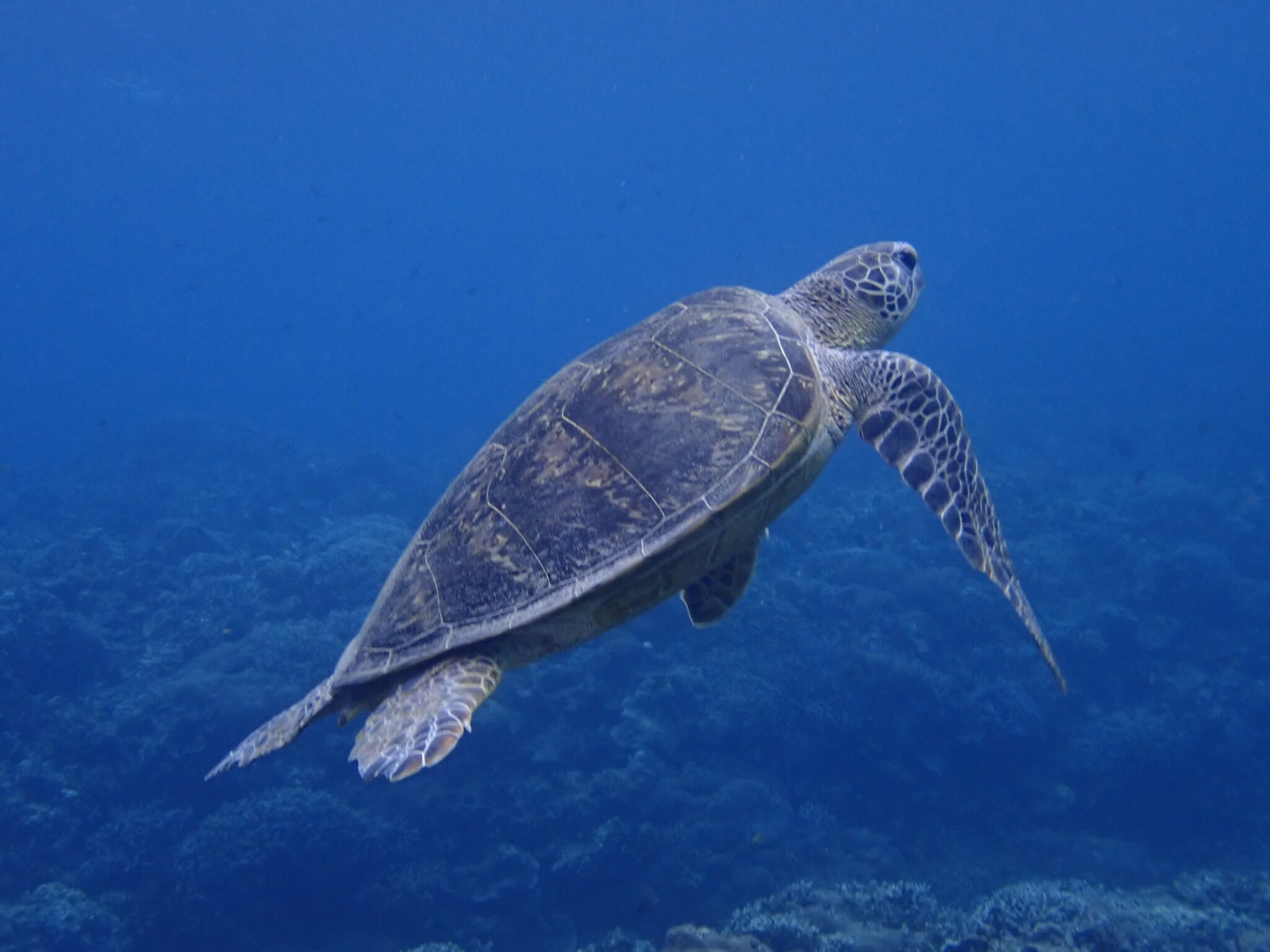
I was lucky enough to encounter a sea turtle while diving in Zamami Island, one of the highlights of the underwater experience in Kerama Islands.
If you’re looking for the classic “remote island” feeling without traveling too far, Zamami is an excellent choice.
Best for: Relaxation, snorkeling, scuva diving, beaches, easy access
3. Iriomote Island – Best for Nature and Adventure
Iriomote Island feels completely different from most people’s image of Okinawa.
Much of the island is covered by subtropical jungle, and outdoor activities are the main attraction. Visitors can kayak through mangrove forests, hike to waterfalls, explore rivers, and discover some of Japan’s wildest natural landscapes.
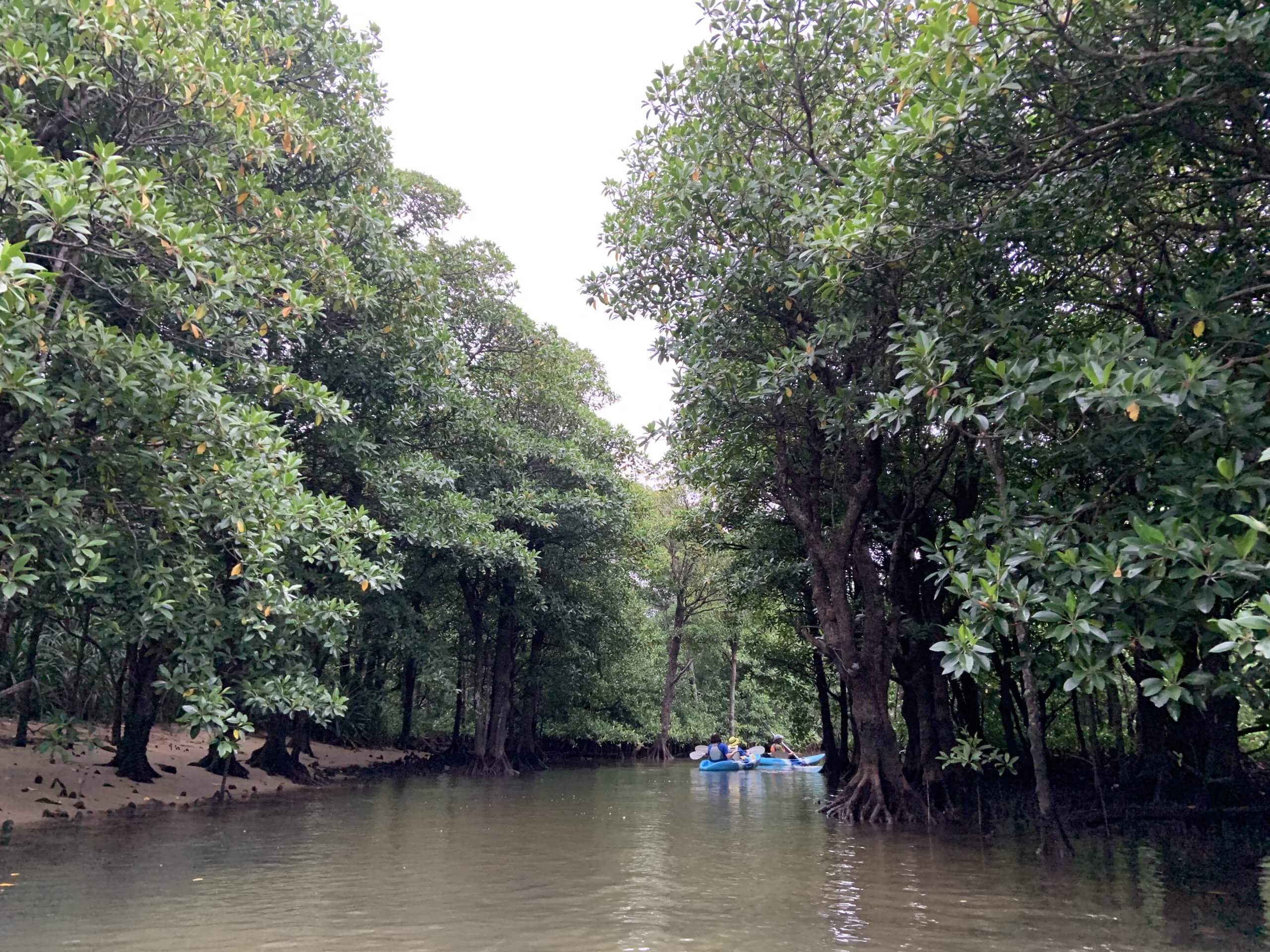
Kayaking through dense mangrove forests is one of the best ways to explore Iriomote’s wild nature.
Because of its untouched environment, Iriomote feels more like an adventure destination than a beach resort. It’s ideal for travelers who want to stay active and experience a side of Okinawa that many visitors never see.
Iriomote Island is famous for its dense subtropical jungle and unique wildlife, including the rare Iriomote wildcat. While sightings are extremely rare and not something you should expect during a visit, the presence of such endangered species highlights just how untouched the island’s ecosystem is.
Because of this, driving on the island requires extra caution. The roads are relatively simple and easy to navigate, which can sometimes make visitors underestimate distances or speed limits. However, Iriomote is still a living natural habitat, so careful and responsible driving is essential.
While I didn’t manage to spot the Iriomote wildcat during my visit, I did encounter something just as memorable—a turtle slowly crossing the roadside. Moments like this really highlight how closely nature and daily life coexist on the island.

A fun Halloween event at a resort in Iriomote Island, themed around the famous but rarely seen Iriomote wildcat.
Public transportation on the island is very limited, with only a few bus services operating each day (around four per day). However, unlike other islands where buses are essential for sightseeing, most of Iriomote’s main attractions are accessed through guided activities rather than independent travel.
Kayaking tours, jungle trekking, and waterfall excursions are typically arranged through accommodations or online bookings, with many operators offering pick-up services directly from your hotel.
One of the most beautiful experiences in Iriomote is taking a water buffalo cart to Yubu Island. The slow ride across shallow water is peaceful and almost surreal, offering a completely different pace compared to the rest of Okinawa.
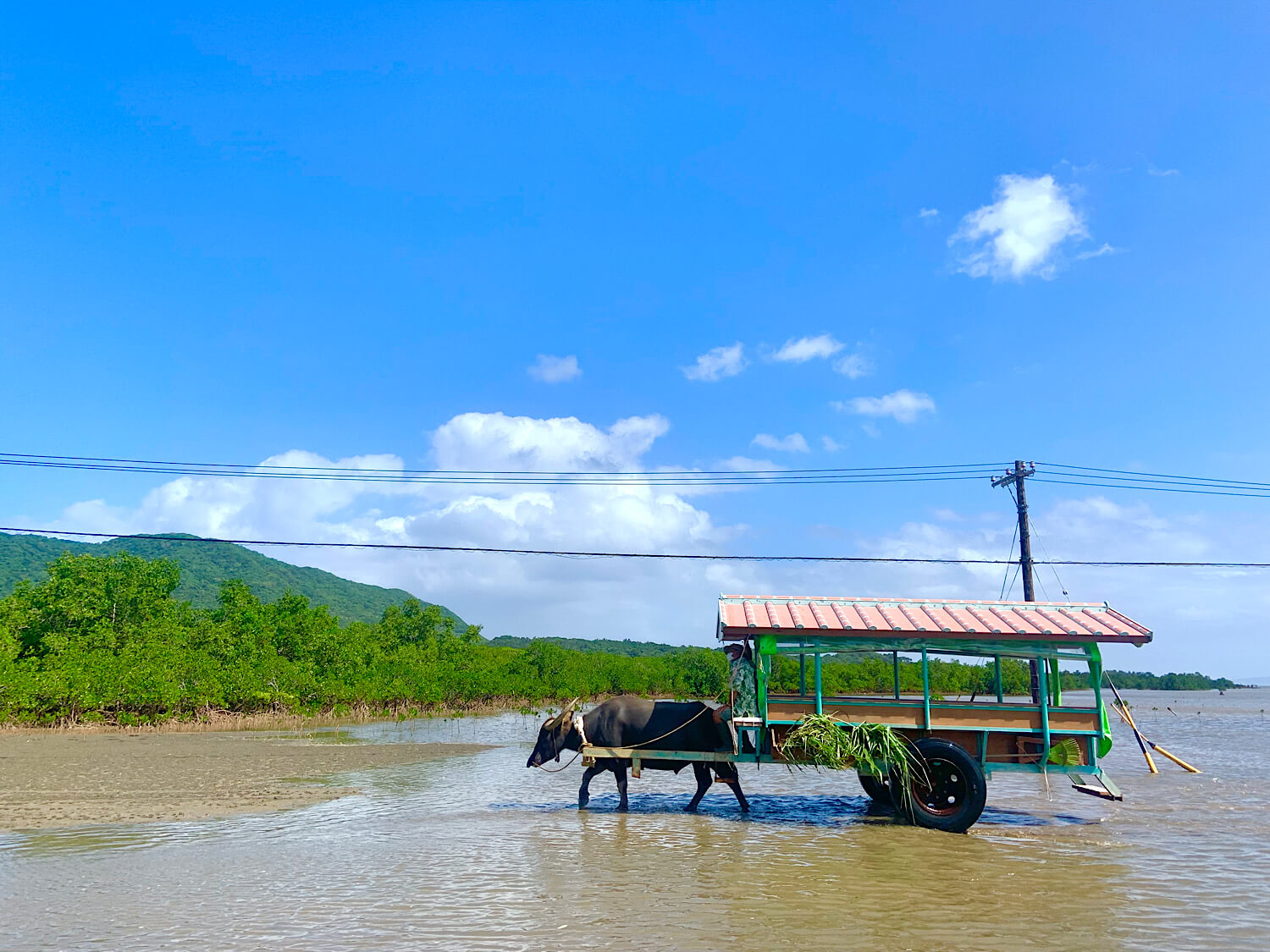
A peaceful ride by water buffalo cart takes visitors from Iriomote to Yubu Island, one of the most unique experiences in Okinawa.
Yubu Island itself is extremely small, with a population of only around nine residents. After being heavily affected by past typhoons, most people relocated to nearby islands. Today, Yubu Island is best known as a botanical garden and a place for a quiet stroll among tropical plants and flowers.
Access to Iriomote Island is via ferry from Ishigaki Island, which serves as the main gateway to the Yaeyama Islands. From Ishigaki, regular ferry services connect to both Uehara Port and Ohara Port on Iriomote, depending on weather conditions and sea routes.
Best for: Hiking, kayaking, wildlife, outdoor adventures
4. Yonaguni Island – Best for an Off-the-Beaten-Path Experience
Located at Japan’s westernmost point, Yonaguni Island offers one of the most unique travel experiences in the country.
The island is known for its dramatic coastal scenery, strong winds, free-roaming Yonaguni horses, and is especially well known among divers for two major reasons: the mysterious underwater rock formations often called the Yonaguni Monument, and seasonal sightings of hammerhead sharks.
The Yonaguni Monument was discovered in 1986 and has been the subject of ongoing debate ever since—whether it is a natural geological formation or evidence of ancient human construction. The site lies about 100 meters off the southern coast of the island, with massive sandstone formations stretching roughly 50 meters east–west and 150 meters north–south, reaching heights of up to 25 meters. Some features resemble terraces, steps, and carved channels, which has fueled speculation about possible human involvement. Scientific studies suggest the formations may date back to a time when the area was above sea level over 10,000 years ago.
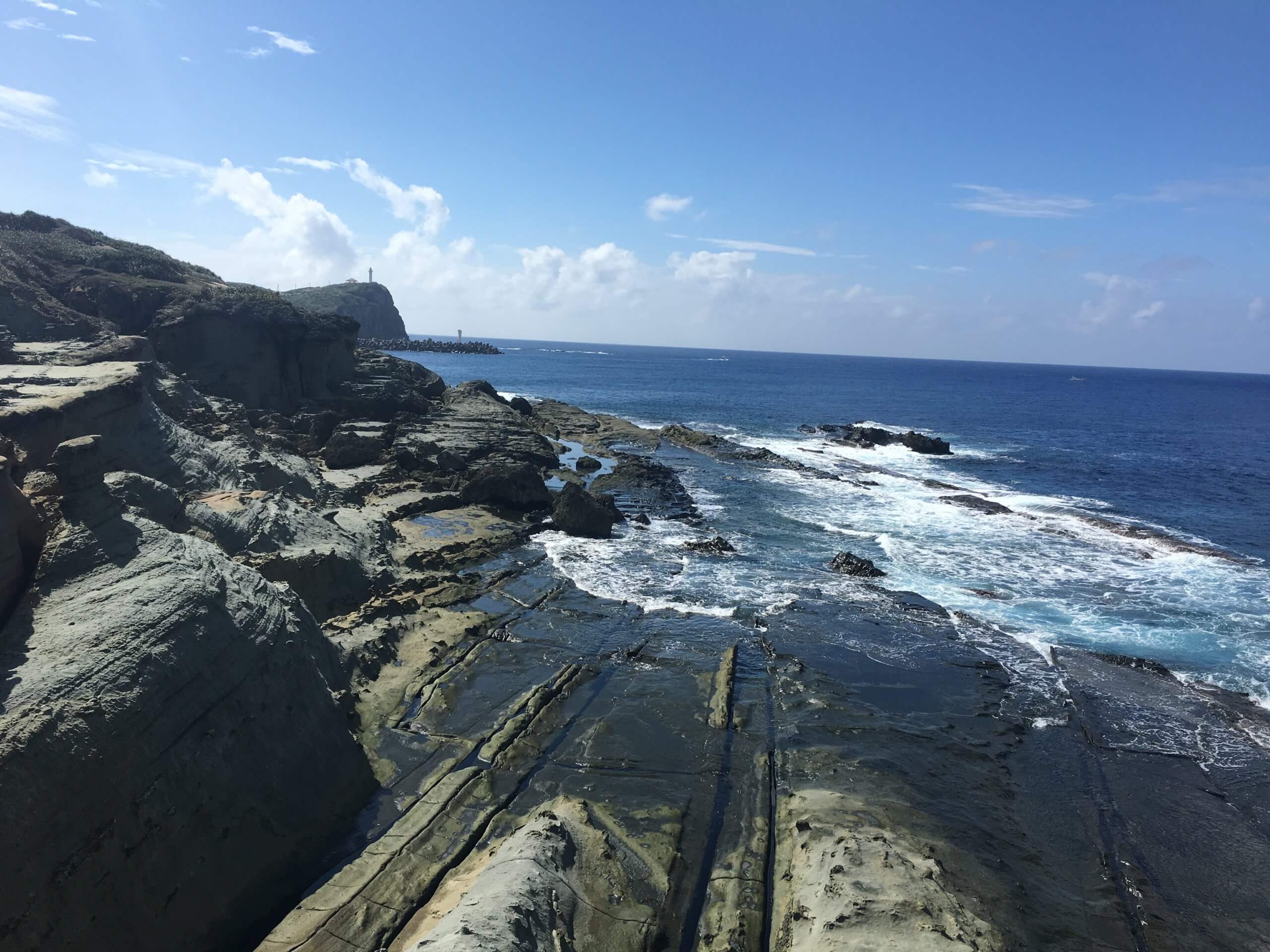
The Yonaguni Monument lies beneath these waters, a mysterious underwater formation that continues to spark debate about its origin.
However, Yonaguni is not an easy island to experience. Strong winds are common throughout the year, and on both of my visits, conditions were too rough for diving. On one occasion, a typhoon passed through the area, and on another, even my return flight was cancelled due to weather conditions.
Compared to the more tourist-friendly islands like Miyako, Zamami, or Iriomote, Yonaguni feels more remote and unpredictable. It is not just a destination for sightseeing, but a place where nature is clearly in control.
When conditions are good, visitors can enjoy diving, horse riding with the Yonaguni horses, and exploring the island’s rugged landscapes. If the weather allows, you may even be able to see Taiwan on a clear day, which adds to the feeling of standing at the very edge of Japan.
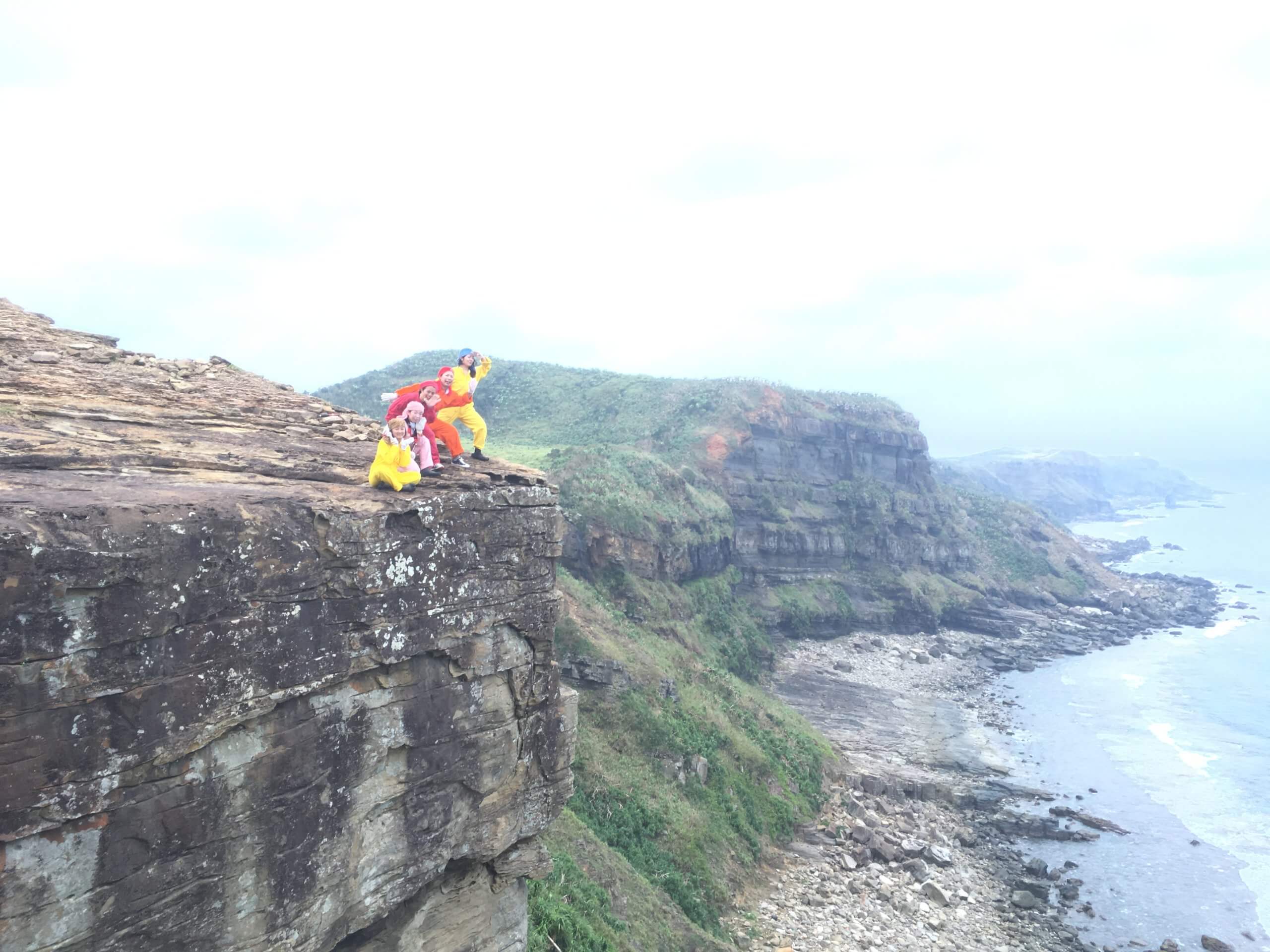
Yonaguni Island offers rugged adventure spots where the ocean meets dramatic cliffs.
Yonaguni is less about comfort and more about atmosphere. It can feel quiet, windy, and even a little lonely—but for travelers looking for Japan’s most remote and dramatic island experience, it is absolutely worth considering.
Yonaguni Island can be reached either by a direct flight from Naha Airport or by ferry from Ishigaki Island.
While it is technically possible to reach Yonaguni by ferry from Ishigaki Island, the journey takes around 7 hours and operates only a few times per week. For most visitors, flying from Naha is by far the most practical option. The ferry is not necessarily a cheap alternative either, and in some cases it can even be more expensive than a flight.
Best for: Adventure, unique landscapes, diving, off-the-beaten-path travel
Important Things to Know Before Visiting Okinawa’s Remote Islands
The most important thing to keep in mind when visiting Okinawa’s remote islands is the weather. It can have a major impact not only on your plans to get there, but also on your ability to leave. While a delayed departure is inconvenient, a cancelled return flight or ferry can completely disrupt your travel schedule. In the worst case, it may even cause you to miss international connections if you are planning to leave Japan shortly after.
In fact, on one of my trips to Yonaguni Island, strong winds prevented the plane from landing, and my flight was cancelled. It made me realize how quickly plans can change in this part of Japan.
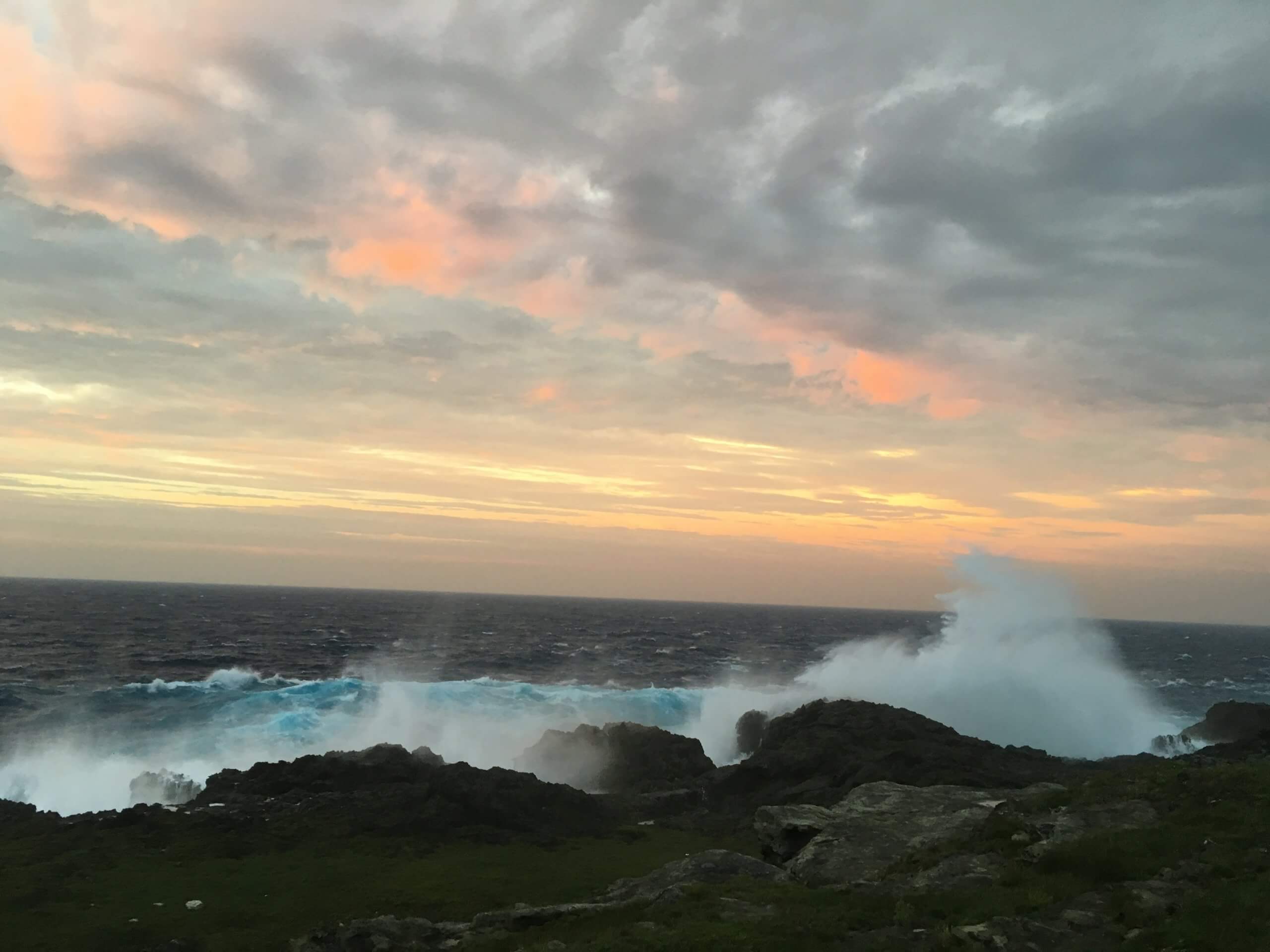
The coastline of Yonaguni Island is dramatic and powerful, especially when waves crash against the cliffs, but be careful under the bad weather.
Because of this, it is highly recommended to build extra flexibility into your itinerary. Ideally, you should avoid tight schedules and consider staying one or two nights in Naha or Ishigaki before and after visiting the remote islands.
Bad weather doesn’t just affect transportation. When typhoons or strong winds approach, local residents often stock up on groceries in advance. Since many of these islands rely on ferries for supplies, supermarket shelves can become unexpectedly empty during severe weather conditions. This is especially noticeable on smaller islands like Yonaguni, where food supply depends heavily on regular ferry services.
For short trips of just one or two nights, it may sometimes be better to postpone your visit if the weather forecast looks unstable. While the islands are incredibly beautiful, they are also highly dependent on natural conditions.
Respecting the Islands
Finally, it is important to be mindful of the environment when visiting Okinawa’s remote islands. These islands are home to fragile ecosystems, and maintaining their natural beauty requires constant effort from both locals and visitors.
Please try to minimize waste as much as possible during your trip. When you do generate trash, make sure to carry it back with you to your accommodation rather than leaving it behind in nature.
This is not unique to Okinawa’s remote islands, but it becomes especially important in places where nature is more fragile and waste management options are limited.
Small actions make a big difference on small islands, and responsible travel helps preserve these places for future visitors.
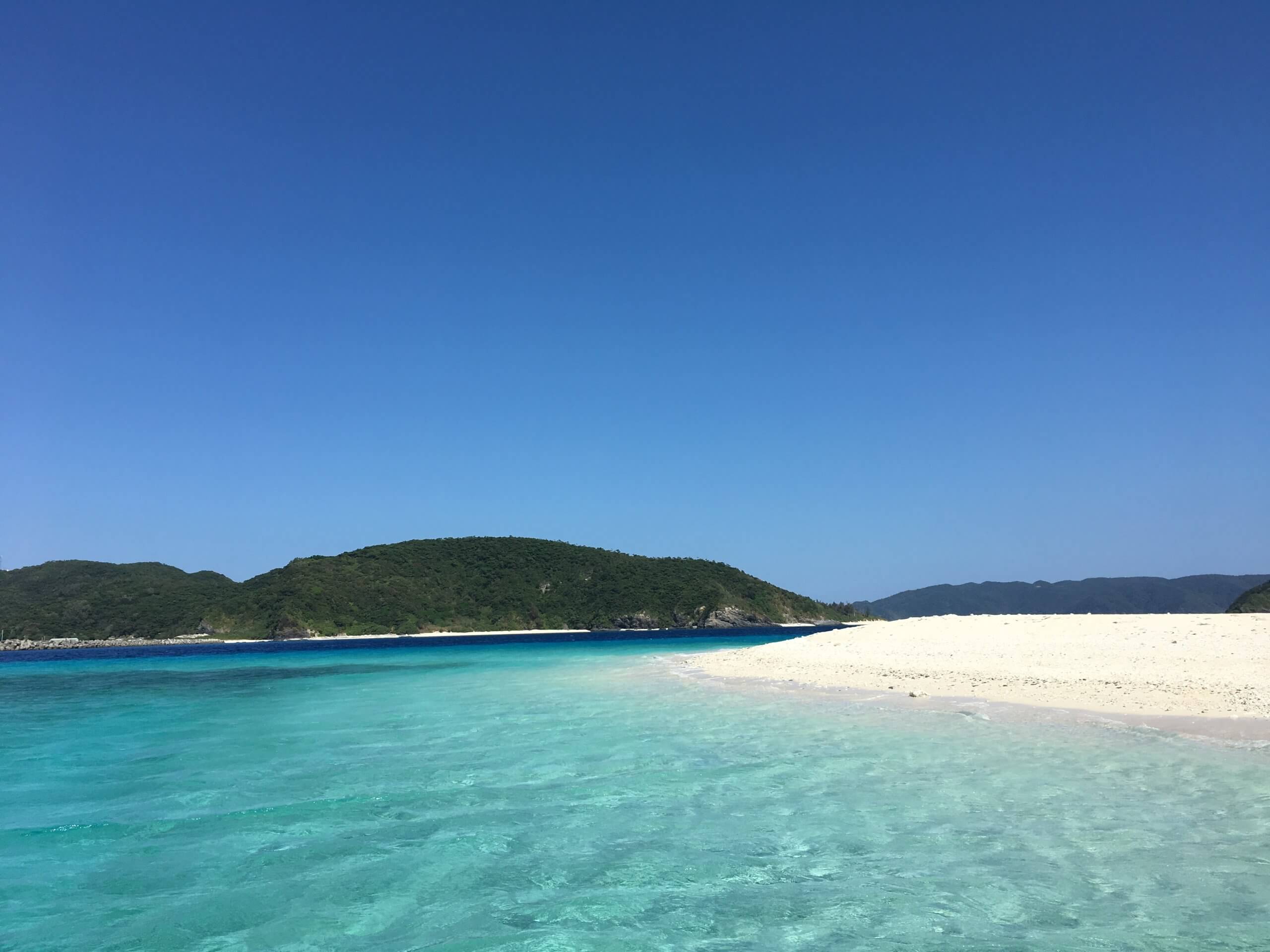
Such a beautiful beach can be conserved by our effort !
Which Okinawa Island Should You Choose?
| Island | Best For |
|---|---|
| Miyako Island | Beaches and resort vacations |
| Zamami Island | Best for a Day Trip from Okinawa Main Island |
| Iriomote Island | Nature and outdoor adventures |
| Yonaguni Island | Unique and remote experiences |
Every island offers something different, so the best choice depends on the kind of trip you’re looking for.
Having visited all four, I don’t think there’s a single “best” island. The right choice depends entirely on what you’re looking for. Whether you want world-class beaches, untouched nature, marine activities, or a journey to Japan’s westernmost frontier, Okinawa has an island that fits the experience you’re after.

tokie
最新記事 by tokie (全て見る)
- Best 4 Okinawa remote Islands Worth the Trip - 09/06/2026
- Shigaraki Pottery Village & Tanuki - 20/05/2026
- Types of Bento Boxes in Japan: How to Choose Yours - 23/04/2026